What Is CRI (Color Rendering Index) and Why Does It Matter?
.png)
What is CRI (color Rending Index) and why does it matter?
When discussing lighting, we often hear about brightness or color temperature (Psst! We actually have an article on that topic, too.). However, another factor plays an equally important role in lighting quality: the Color Rendering Index (CRI).
Although CRI is often overlooked or misunderstood, it has a significant impact on how we perceive our surroundings and on the overall atmosphere of a space, whether it's a retail store, office, restaurant, or even a home.
What exactly is CRI, and why should it matter when choosing a lighting solution? Let's take a closer look.
what is the rendering index (irc)?
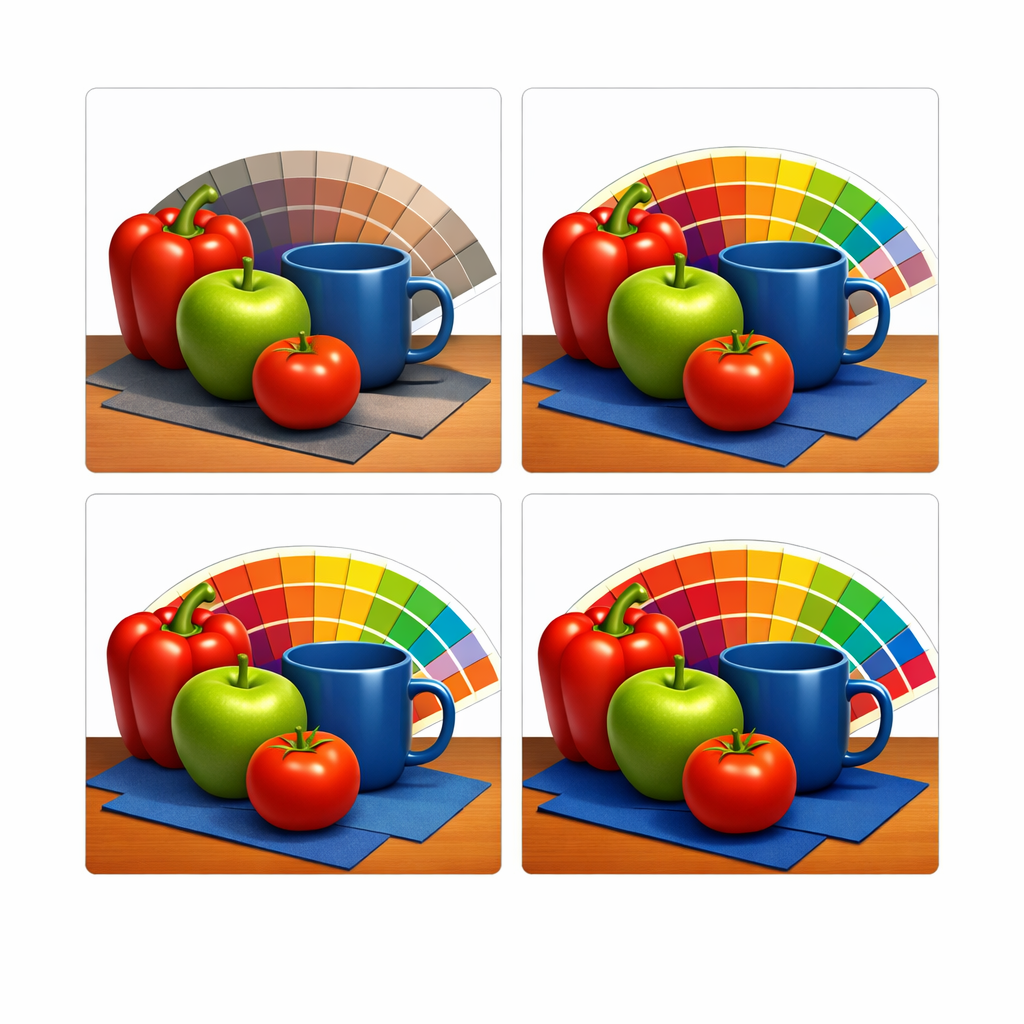
Color Rendering Index (CRI) measures a light source's ability to accurately reveal the true colors of the objects it illuminates. It is rated on a scale from 0 to 100:
• CRI 100: Colors appear exactly as they would under a reference light source, such as natural daylight.
• CRI 90+: Excellent color rendering.
• CRI 80–89: Good color rendering, suitable for most commercial and residential applications.
• CRI below 80: Colors may appear dull, muted, or less accurate.
In short, the higher the CRI, the more accurately colors are rendered and the easier it is to distinguish subtle differences between shades. This is especially important when working with similar tones, such as blues, grays, or beiges.
Why is CRI impotant ?
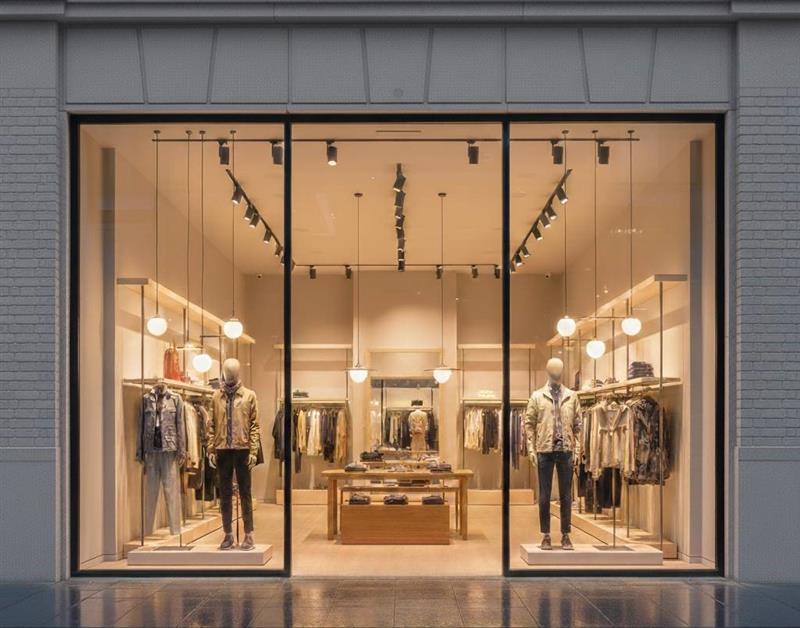
In environments where color accuracy matters, a high CRI is essential. The clothing industry is a great example. Colors need to remain consistent from design and manufacturing through to the retail floor. A high CRI allows designers to select the right shades, production teams to maintain color consistency, and customers to see garments as they truly are. Without accurate color rendering, a piece of clothing may look different once viewed in natural daylight, potentially leading to disappointment and a poor customer experience.
The same principle applies to other industries where appearance influences perceived quality. In the food industry, for example, a dark chocolate cake should look like a dark chocolate cake from production to display. If lighting makes it appear lighter than it actually is, customers may perceive it as less appealing or lower quality.
Similarly, products intended for outdoor use, such as colored aluminum poles, benefit from lighting with excellent color rendering. This helps ensure that the shades seen indoors match those visible once the products are installed outdoors and exposed to natural light.
On the other hand, in spaces where color accuracy has little impact on day-to-day activities, such as administrative offices, hallways, or storage warehouses, a lower CRI is often sufficient. In these environments, quality lighting can be achieved without the level of color precision required in color-critical applications.

cri vs color temperature vs brightness : what's the difference ?
It's easy to confuse CRI with other lighting characteristics, such as color temperature or brightness. However, these three metrics measure very different aspects of lighting.
Color temperature, measured in kelvins (K), describes the appearance of light, ranging from warm (yellowish) to cool (whitish) tones. Brightness refers to the amount of light emitted by a source.
CRI, meanwhile, measures how accurately that light source reveals the colors of illuminated objects. As a result, two fixtures can have the same color temperature and produce similar brightness levels while offering dramatically different color rendering performance. That's why all three factors should be considered when selecting a lighting solution to ensure the desired visual comfort and performance for a space.
need help choosing the right lightning?
Lighting can be more complex than it seems. Between CRI, color temperature, brightness, and the many technologies available today, finding the right solution isn't always straightforward.
Our team is here to help you navigate your options and identify the lighting solutions that best fit your needs. Feel free to contact us to discuss your project by phone at 514-356-3222 or by email.
we're here to support you